
Step into the realm of virtual interior design where creativity knows no bounds. Discover how cutting-edge technology revolutionizes the way spaces are designed and visualized, offering endless possibilities for both homeowners and designers alike.
Virtual interior design breaks the barriers of traditional methods, paving the way for innovative solutions and breathtaking designs that redefine the concept of interior aesthetics.
Definition of Virtual Interior Design
Virtual interior design is a modern approach to designing and decorating interior spaces using digital tools and technology. It differs from traditional interior design by allowing designers and homeowners to visualize and plan spaces virtually before making any physical changes.
This process can involve the use of 3D modeling software, virtual reality (VR) technology, and online platforms to create realistic representations of design concepts.
Examples of Virtual Interior Design Services or Platforms
- Modsy: A popular virtual interior design service that offers personalized design plans and shopping recommendations based on your style and budget.
- Havenly: Another online platform that connects users with professional interior designers for virtual design consultations and room makeovers.
- Roomstyler: A free 3D home design software that allows users to create and visualize their interior design ideas in a virtual space.
Benefits of Virtual Interior Design
- Cost-effective: Virtual interior design eliminates the need for physical prototypes and allows for quick and efficient design revisions, saving both time and money.
- Convenience: Homeowners can collaborate with designers remotely and make design decisions from the comfort of their own homes, without the need for in-person meetings.
- Visualize Spaces: Virtual interior design enables users to see a realistic representation of their design ideas before committing to any changes, helping them make informed decisions.
Tools and Technologies Used in Virtual Interior Design
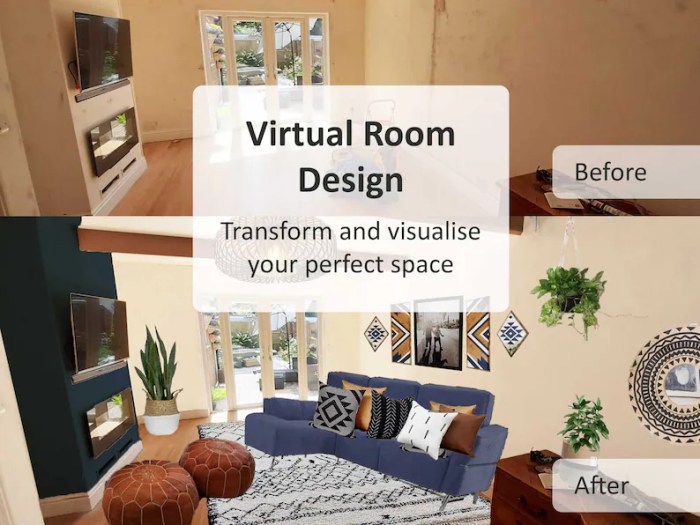
Virtual interior design relies on a variety of tools and technologies to create realistic and immersive design concepts. From software applications to advanced technologies like virtual reality (VR) and augmented reality (AR), designers have a range of options at their disposal to bring their ideas to life.
Common Software and Applications
When it comes to virtual interior design, designers often utilize software such as AutoCAD, SketchUp, and 3ds Max for creating detailed 3D models of interior spaces. These tools allow designers to visualize their concepts in a digital environment before bringing them to life.
Virtual Reality (VR) and Augmented Reality (AR)
Virtual reality (VR) and augmented reality (AR) play a significant role in virtual interior design by providing immersive experiences for clients. Designers can use VR headsets to allow clients to virtually walk through their designed spaces, giving them a realistic sense of the final result.
AR, on the other hand, enables designers to overlay digital designs onto the physical environment, helping clients visualize how the design will look in their own space.
3D Modeling and Rendering
D modeling and rendering are essential components of virtual interior design, allowing designers to create detailed and realistic representations of their ideas. By using 3D modeling software, designers can build accurate digital models of interior spaces, including furniture, lighting, and decor.
Rendering software then adds textures, lighting, and shadows to create photorealistic images of the design, helping clients better understand the final look and feel of the space.
Process of Virtual Interior Design
Virtual interior design projects involve a step-by-step process that designers follow to create stunning spaces for their clients. Clients can collaborate remotely with designers through virtual platforms, allowing for seamless communication and decision-making. Mood boards, floor plans, and virtual walkthroughs play a crucial role in visualizing and sharing design concepts in virtual interior design.
Step-by-Step Process in Virtual Interior Design
In virtual interior design projects, designers typically follow a structured process to bring their clients' visions to life
- Initial Consultation: Designers and clients discuss project requirements, budget, and design preferences.
- Concept Development: Designers create mood boards and concept sketches to present design ideas and color schemes.
- Design Refinement: Clients provide feedback on the initial concepts, and designers make necessary revisions to finalize the design.
- Virtual Rendering: Designers use specialized software to create detailed virtual models, including floor plans and 3D renderings.
- Virtual Walkthrough: Clients can experience the space virtually through interactive walkthroughs, gaining a realistic view of the design.
- Finalization: Once the design is approved, designers provide clients with detailed plans and instructions for implementation.
Collaborating with Designers Remotely
Clients can easily collaborate with designers remotely through virtual platforms, ensuring a seamless design process. Virtual meetings, emails, and messaging apps allow for continuous communication and feedback exchange between clients and designers. This remote collaboration enables clients to be actively involved in the design decisions and progress, regardless of their physical location.
Creating and Sharing Mood Boards, Floor Plans, and Virtual Walkthroughs
Mood boards, floor plans, and virtual walkthroughs are essential tools in virtual interior design to communicate design concepts effectively. Designers create mood boards with inspirational images, color palettes, and material samples to convey the overall aesthetic of the space. Floor plans are detailed layouts illustrating the spatial arrangement of furniture and fixtures.
Virtual walkthroughs offer clients a realistic view of the design by navigating through the space virtually, providing a comprehensive understanding of the final outcome.
Customization and Personalization in Virtual Interior Design

Virtual interior design offers a unique opportunity for customization and personalization, allowing designers to tailor design elements to suit individual preferences and needs. Through virtual consultations, designers can gain a deeper understanding of their clients' tastes and requirements, ensuring that the final design reflects their unique style.
Role of Virtual Consultations
Virtual consultations play a crucial role in the customization and personalization process of virtual interior design. By engaging with clients through virtual meetings, designers can discuss preferences, gather information on lifestyle needs, and understand the desired aesthetic. This direct interaction helps designers create personalized design solutions that align with the client's vision.
Tailoring Designs to Specific Styles or Themes
Virtual interior design allows for the seamless integration of specific styles or themes into the design process. Designers can incorporate elements such as modern, minimalist, traditional, or eclectic styles based on the client's preferences. By utilizing virtual tools and technologies, designers can present realistic visualizations of how different styles or themes will look in the space, enabling clients to make informed decisions about their design choices.
Concluding Remarks
In conclusion, virtual interior design opens doors to a world where imagination meets reality, allowing for personalized, immersive design experiences like never before. Embrace the future of design and unlock the potential of your space with virtual interior design.
User Queries
How does virtual interior design differ from traditional interior design?
Virtual interior design utilizes technology to create digital representations of spaces, offering a more interactive and immersive design experience compared to traditional methods.
What are some common software and applications used in virtual interior design?
Popular tools include Autodesk AutoCAD, SketchUp, and Adobe Photoshop for creating virtual design concepts.
How can clients collaborate with designers in virtual interior design projects?
Clients can work with designers remotely through virtual platforms, sharing ideas, feedback, and design preferences seamlessly.
How does virtual interior design allow for customization of design elements?
Virtual interior design enables tailored design solutions by adjusting elements such as color schemes, furniture layouts, and decor choices to align with individual preferences.