

Embark on a journey through the intricate world of local architecture, where history, culture, and innovation converge to shape unique structures that define communities. This article delves into the core of local architectural styles, highlighting their significance in the realm of modern design.
From the traditional charm of ancient buildings to the cutting-edge trends of today, local architecture offers a rich tapestry of inspiration that continues to influence the way we perceive and create spaces.
Definition of Local Architecture
Local architecture refers to the style of buildings and structures that are designed and constructed based on the unique characteristics, traditions, and materials of a specific region or locality. It reflects the culture, climate, history, and customs of the area, making it distinct and authentic.
Examples of Local Architectural Styles
- In Japan, traditional architectural styles like the wooden pagodas and tea houses showcase the influence of Zen philosophy and the use of natural materials.
- In Greece, the white-washed buildings and blue domes of Santorini represent the Cycladic architectural style, which is influenced by the island's volcanic landscape.
- In Morocco, the intricate geometric patterns and colorful tiles of the Moorish architecture reflect the Islamic design principles and craftsmanship.
Significance of Incorporating Local Architecture into Modern Designs
By incorporating local architectural elements into modern designs, architects can create buildings that are not only aesthetically pleasing but also sustainable and culturally relevant. It helps in preserving the identity and heritage of a place while enhancing the overall visual appeal.
Comparison of Local Architecture with Global Architectural Trends
While global architectural trends often focus on modernity, innovation, and standardization, local architecture emphasizes tradition, craftsmanship, and connection to the surroundings. Global designs may sometimes overlook the cultural significance and context of a place, whereas local architecture celebrates it.
Influences on Local Architecture
Local architecture is greatly influenced by a variety of factors that shape the unique styles and designs found in different regions around the world.
Climate and Geography Impact
The climate and geography of a region play a significant role in determining the architectural designs that are most suitable and practical. For example, in hot and arid climates, buildings may have thick walls and small windows to provide insulation and protection from the sun.
In areas prone to heavy rainfall or snow, sloped roofs are often used to allow for water runoff and prevent structural damage.
Role of Culture and Traditions
Culture and traditions are integral to shaping local architecture, as they influence the materials used, construction techniques, and decorative elements incorporated into buildings. For instance, in areas with strong cultural beliefs, specific symbols or motifs may be incorporated into the design of religious or communal structures.
Historical Events Influence
Historical events have also played a significant role in shaping local architectural aesthetics. Wars, invasions, colonization, and revolutions have all left their mark on the built environment, resulting in a mix of architectural styles that reflect the history and cultural heritage of a place.
For example, the influence of colonial architecture can still be seen in many former colonies around the world.
Characteristics of Local Architecture
Local architecture is defined by various characteristics that are influenced by the materials used, design elements, community values, and adaptability to changing needs. Let's explore some key aspects that make local architecture unique.
Common Materials Used in Local Architectural Construction
Local architecture often utilizes materials readily available in the region, reflecting the local environment and culture. Common materials include:
- Adobe in arid regions for its insulating properties
- Timber in forested areas for its strength and durability
- Stone in mountainous regions for its natural beauty and longevity
- Bamboo in tropical climates for its flexibility and sustainability
Unique Design Elements Found in Different Local Architectural Styles
Local architectural styles showcase distinctive design elements that are rooted in tradition and culture. Some examples include:
- Traditional thatched roofs in rural areas for their natural aesthetics
- Colorful facades in coastal communities inspired by the sea and sky
- Intricate wood carvings in mountain villages reflecting local craftsmanship
- Courtyards and open spaces in desert regions for ventilation and cooling
How Local Architecture Reflects the Values and Lifestyle of the Community
Local architecture is a reflection of the values, beliefs, and lifestyle of the community it serves. For example:
- A focus on communal spaces in urban areas promotes social interaction
- Sustainable building practices in eco-conscious communities demonstrate a respect for the environment
- Integration of spiritual symbols in religious architecture signifies the community's faith and traditions
- Compact and multi-functional design in densely populated areas reflects efficiency and resourcefulness
Insights on How Local Architecture Adapts to Changing Needs and Preferences
Local architecture evolves over time to meet the changing needs and preferences of the community. This adaptation can be seen through:
- Modernization of traditional techniques to enhance efficiency and sustainability
- Incorporation of new technologies for improved comfort and convenience
- Flexible design solutions that allow for repurposing of spaces based on evolving requirements
- Revival of heritage architecture styles to preserve cultural identity while meeting contemporary demands
Preservation and Conservation of Local Architecture
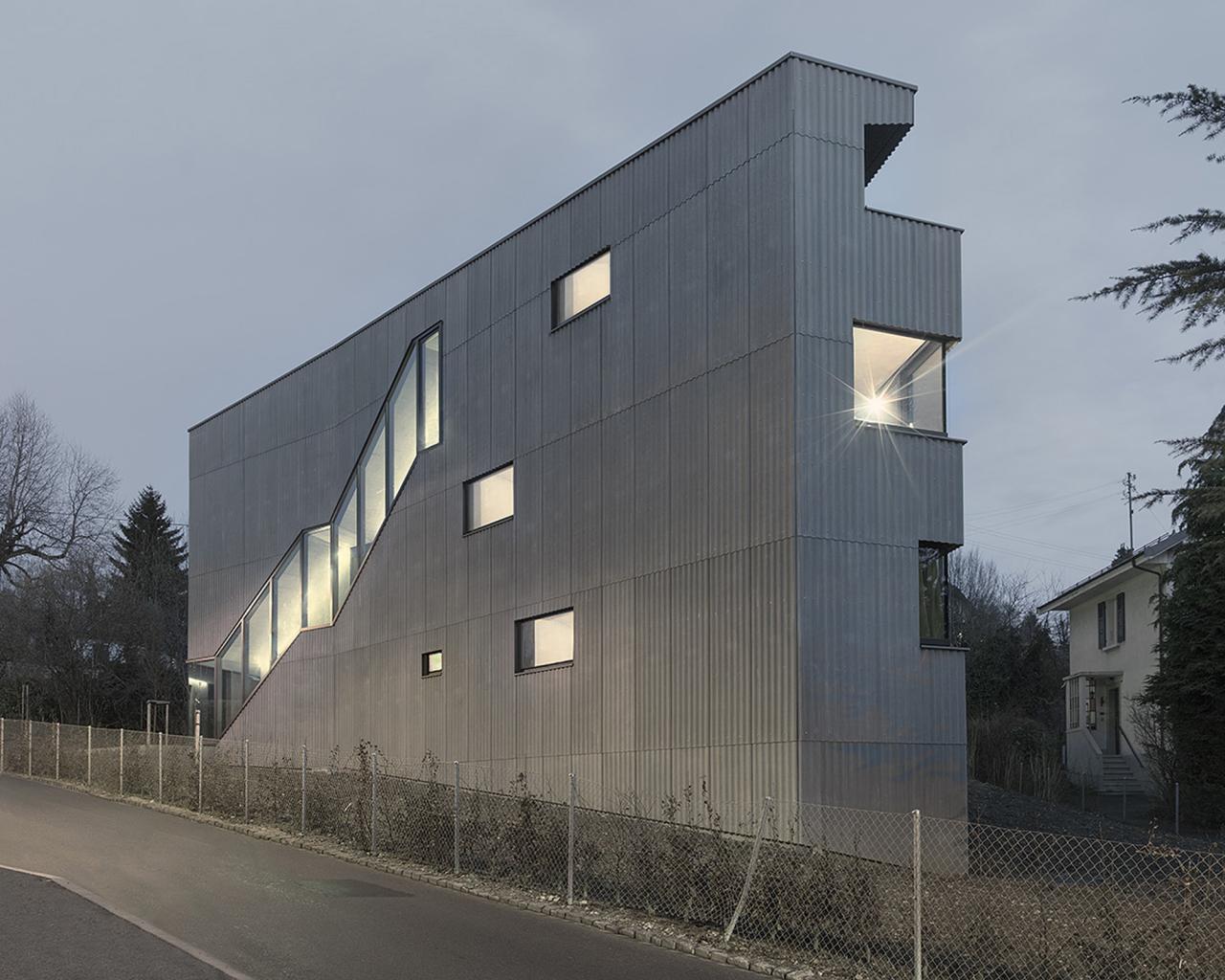
Preserving and conserving local architecture is crucial for maintaining cultural identity and heritage for future generations. It involves protecting historical landmarks and architectural structures that hold significance in a community's history.
Strategies for Preserving Historical Local Architectural Landmarks
- Implementing strict regulations and guidelines for the restoration and maintenance of historical buildings.
- Engaging in community outreach and education programs to raise awareness about the importance of preserving local architectural heritage.
- Collaborating with local governments, historical societies, and preservation organizations to secure funding for restoration projects.
- Utilizing modern technology and innovative techniques to ensure the longevity of historical structures.
Importance of Conserving Local Architectural Heritage for Future Generations
- Preserving local architectural heritage helps communities maintain a sense of identity and pride in their history.
- It allows future generations to learn about the cultural and historical significance of their surroundings.
- Conserving architectural landmarks can contribute to tourism, economic development, and overall community well-being.
Challenges Faced in Maintaining and Protecting Local Architectural Structures
- Lack of funding and resources for restoration and maintenance projects.
- Changing environmental conditions and natural disasters that can pose threats to historical buildings.
- Balancing the need for modernization with the preservation of historical integrity.
- Resistance from property owners or developers who may not see the value in preserving local architectural heritage.
Examples of Successful Local Architecture Preservation Projects
- The restoration of the Rialto Theatre in Joliet, Illinois, a historic landmark that now serves as a cultural hub for the community.
- The adaptive reuse of the High Line in New York City, transforming an old elevated railway into a public park while preserving its industrial heritage.
- The conservation efforts at the Acropolis in Athens, Greece, ensuring the protection and restoration of ancient architectural masterpieces for future generations.
Ultimate Conclusion
In closing, local architecture stands as a testament to the enduring legacy of craftsmanship and ingenuity. As we navigate the ever-changing landscape of architectural trends, let us not forget the profound impact that local styles have on shaping our built environment and cultural identity.
Commonly Asked Questions
What is the significance of local architecture in modern designs?
Local architecture adds a sense of identity and authenticity to modern structures, connecting them to the culture and history of a place.
How do historical events influence local architectural aesthetics?
Historical events can shape architectural styles by influencing materials used, design elements, and overall themes in local buildings.
What are some challenges faced in preserving local architectural landmarks?
Challenges include balancing preservation with modern needs, securing funding for restoration, and ensuring community engagement in conservation efforts.