
Embark on a journey through the intricate world of landscape architecture design, where creativity meets functionality to shape breathtaking outdoor spaces. From iconic designs to sustainable practices, this field offers a unique blend of artistry and environmental consciousness. Let's delve deeper into the realm of landscape architecture and uncover its fascinating nuances.
What is Landscape Architecture Design?
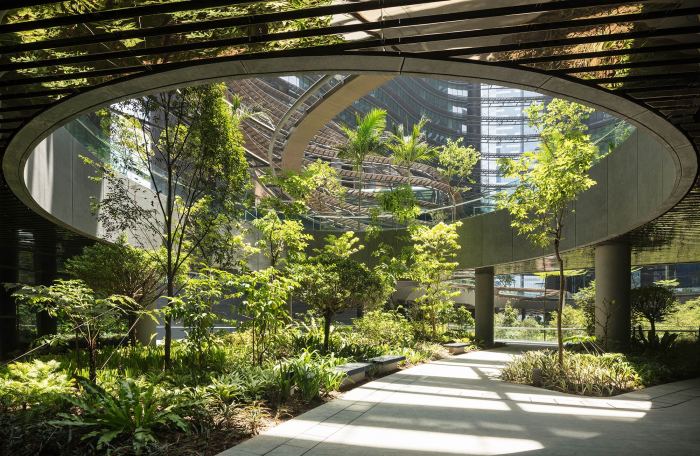
Landscape architecture design is the art and science of planning and designing outdoor spaces to achieve environmental, social, and aesthetic outcomes. It involves the manipulation of landform, vegetation, water, and structures to create functional and visually appealing landscapes.
Importance of Landscape Architecture in Urban Planning
Landscape architecture plays a crucial role in urban planning by integrating natural elements into built environments, promoting sustainability, and enhancing the quality of life for residents. It helps create green spaces, improve air and water quality, reduce urban heat island effect, and provide recreational opportunities within cities.
Examples of Iconic Landscape Architecture Designs
The Gardens of Versailles in France
Designed by André Le Nôtre, these formal gardens are a masterpiece of symmetry, geometry, and grandeur.
Central Park in New York City
Frederick Law Olmsted and Calvert Vaux created this iconic urban park with a mix of naturalistic and formal landscapes.
The High Line in New York City
A repurposed elevated railway turned into a linear park designed by James Corner Field Operations and Diller Scofidio + Renfro.
The Gardens by the Bay in Singapore
A futuristic botanical garden featuring iconic Supertrees designed by Grant Associates and WilkinsonEyre.
Principles Guiding Landscape Architecture Design
- Site Analysis: Understanding the natural and cultural context of a site before designing.
- Functionality: Designing landscapes that are functional and serve the needs of users.
- Sustainability: Incorporating sustainable practices to minimize environmental impact.
- Aesthetics: Creating visually pleasing landscapes that evoke emotions and enhance well-being.
- Flexibility: Designing spaces that can adapt to changing needs over time.
Elements of Landscape Architecture Design
Landscapes are carefully crafted using a variety of elements that work together to create a harmonious and functional design. Key elements include landforms, vegetation, water, and structures. Let's delve into how each of these elements contributes to the overall landscape architecture design.
Landforms
Landforms play a crucial role in shaping the overall layout and character of a landscape. They include natural features such as hills, valleys, slopes, and terraces. Landforms can be manipulated or enhanced to create visual interest, define spaces, and provide a sense of movement within the design.
Vegetation
Vegetation, including trees, shrubs, flowers, and grasses, adds life and color to a landscape. It helps soften hard edges, provide shade, and create a sense of enclosure. The selection and arrangement of plants are carefully considered to complement the overall design and enhance the ecological sustainability of the space.
Water
Water features such as ponds, fountains, streams, and waterfalls bring a sense of tranquility and movement to a landscape. They can act as focal points, provide a habitat for wildlife, and enhance the sensory experience of the space. Water elements are often integrated into the design to create a dynamic and inviting environment.
Structures
Structures, such as pathways, walls, pergolas, and seating areas, provide functional and aesthetic elements to the landscape. They help define circulation patterns, create focal points, and offer opportunities for rest and social interaction. Structures are carefully designed to complement the natural elements of the landscape and enhance the overall user experience.By integrating these key elements thoughtfully and strategically, landscape architects are able to create cohesive and visually appealing designs that enhance the quality of outdoor spaces.
Famous landscape architecture projects such as Central Park in New York City, the Gardens of Versailles in France, and the High Line in Manhattan showcase how these elements work together to create iconic and memorable landscapes.
Sustainable Practices in Landscape Architecture Design
When it comes to landscape architecture design, incorporating sustainable practices is essential for creating environmentally friendly landscapes that benefit both people and the planet.
Sustainable design practices in landscape architecture involve using methods and materials that minimize negative impacts on the environment, conserve natural resources, and promote biodiversity. By implementing sustainable strategies, landscape architects can create beautiful and functional spaces that are resilient to climate change and support the well-being of communities.
Importance of Sustainability in Landscape Architecture
- Utilizing native plants and trees in landscaping projects helps reduce water consumption and maintenance needs, while also providing habitat for local wildlife.
- Implementing green infrastructure elements such as rain gardens, permeable pavements, and green roofs helps manage stormwater runoff and reduce pollution in waterways.
- Designing spaces with energy-efficient lighting, irrigation systems, and materials helps reduce energy consumption and greenhouse gas emissions.
Examples of Sustainable Landscape Architecture Projects
- The High Line in New York City transformed an abandoned elevated railway into a vibrant park that incorporates sustainable design elements such as native plantings, recycled materials, and green infrastructure.
- The Singapore Botanic Gardens showcases sustainable practices through water conservation, biodiversity conservation, and community engagement initiatives, making it a model for urban green spaces.
- The Bishan-Ang Mo Kio Park in Singapore features sustainable stormwater management systems, including biofiltration ponds and wetlands, that help prevent flooding and improve water quality in the surrounding areas.
Technology in Landscape Architecture Design
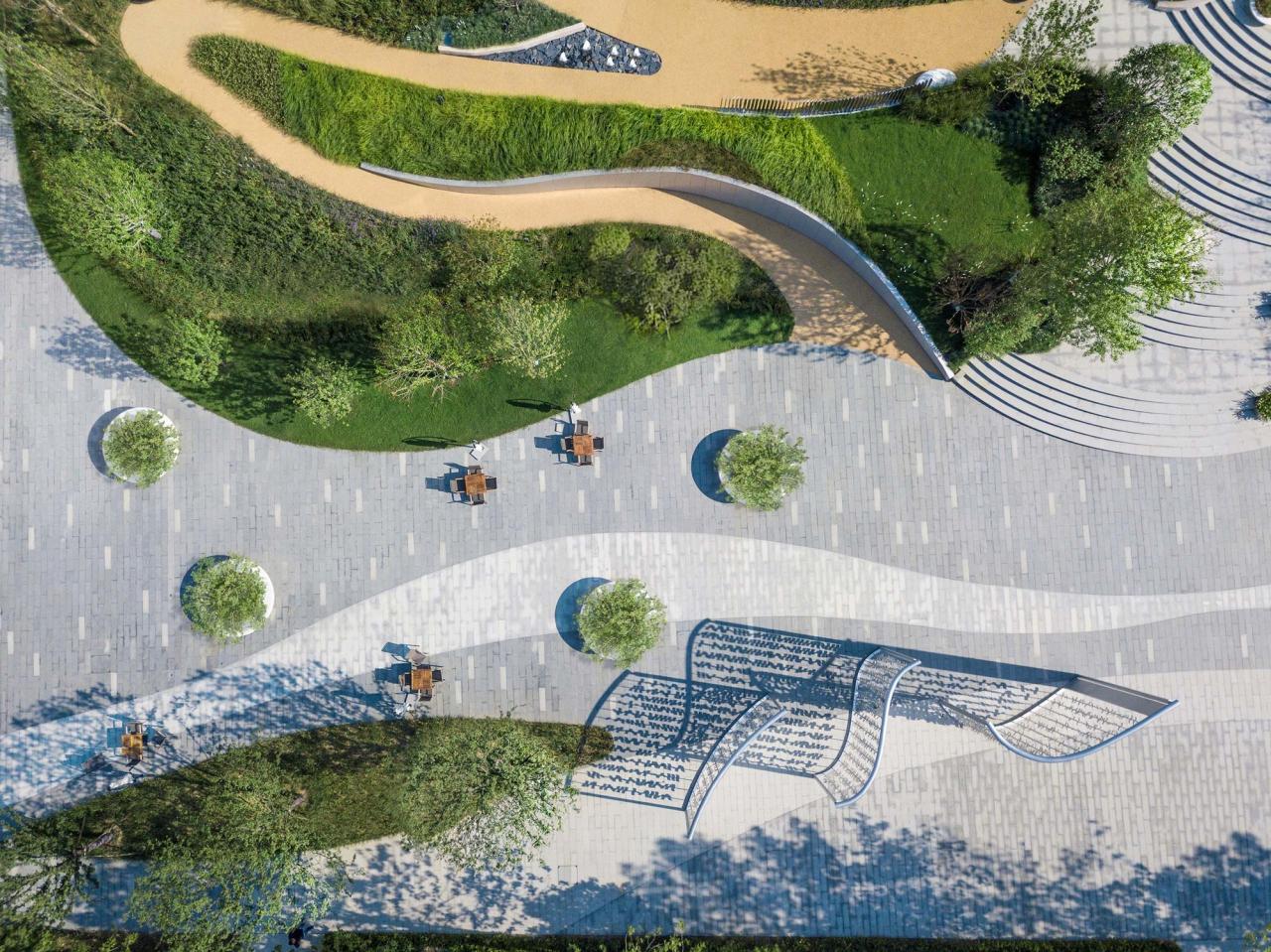
Technology plays a crucial role in modern landscape architecture design, revolutionizing the way professionals plan, design, and visualize outdoor spaces. From CAD software to 3D modeling, innovative technologies have significantly impacted the industry.
CAD Software in Landscape Architecture
CAD (Computer-Aided Design) software has transformed the design process in landscape architecture by allowing designers to create detailed plans, layouts, and renderings with precision and efficiency. This technology enables professionals to draft and edit designs quickly, leading to more accurate and visually appealing landscapes.
3D Modeling for Visualization
3D modeling has revolutionized the visualization of landscape architecture projects, providing clients and designers with realistic representations of proposed designs. By creating lifelike virtual environments, 3D modeling helps stakeholders better understand the spatial layout, materials, and aesthetics of a project before construction begins.
Innovative Technologies in Contemporary Projects
- Virtual Reality (VR): VR technology allows designers and clients to immerse themselves in a proposed landscape design, experiencing it in a more interactive and engaging way.
- Drones: Drones are used to capture aerial footage and survey landscapes, providing valuable data for site analysis and design development.
- GIS (Geographic Information Systems): GIS technology helps landscape architects analyze and interpret spatial data, informing site selection, ecological considerations, and sustainable design practices.
- Parametric Design: Parametric design software enables designers to create complex, dynamic forms and patterns, pushing the boundaries of traditional landscape architecture design.
Cultural Influences on Landscape Architecture Design
Culture plays a significant role in shaping landscape architecture design around the world. It impacts the way spaces are used, the choice of materials, and the overall aesthetic of a landscape. Different cultures have unique elements that they incorporate into their landscape designs, reflecting their values, beliefs, and traditions.
Traditional Elements in Japanese Garden Design
Japanese garden design is known for its simplicity, harmony, and connection to nature. Elements like zen rock gardens, water features, and carefully pruned trees are essential components of Japanese landscapes. These elements reflect the Japanese cultural values of tranquility, balance, and respect for nature.
Islamic Gardens in Middle Eastern Culture
Islamic gardens are designed to provide a sense of paradise on earth, with elements like geometric patterns, water channels, and lush vegetation. These gardens often feature courtyards with intricate tile work and fountains, symbolizing the Islamic principles of order, beauty, and spirituality.
Native American Landscapes in North America
Native American landscapes incorporate natural elements like rocks, water, and native plants to create spaces that are deeply connected to the earth. Traditional practices such as the use of medicinal plants, sacred spaces, and storytelling through landscapes reflect the cultural heritage and spiritual beliefs of Native American tribes.
European Formal Gardens
European formal gardens, like the ones found in Versailles, France, are characterized by geometric shapes, elaborate sculptures, and meticulously manicured lawns. These designs reflect the European aristocratic values of power, order, and control over nature. Overall, cultural diversity is evident in landscape architecture around the world, with each culture bringing its unique elements, practices, and aesthetics to create meaningful and distinctive outdoor spaces.
Ending Remarks

As we conclude our exploration of landscape architecture design, we are left with a profound appreciation for the artistry and innovation that define this field. From cultural influences to technological advancements, the impact of landscape architecture resonates far and wide, shaping the world around us in remarkable ways.
FAQ Compilation
What is the significance of vegetation in landscape architecture design?
Vegetation plays a crucial role in softening the built environment, providing shade, reducing noise, and enhancing biodiversity.
How do landforms contribute to the overall design of a landscape?
Landforms such as hills, valleys, and slopes can create visual interest, define spaces, and influence circulation within a landscape.
Why is sustainability important in landscape architecture design?
Sustainability ensures that landscapes are designed and maintained in a way that minimizes negative impacts on the environment and promotes long-term ecological health.