
Exploring the world of exterior reclaimed wood siding opens up a realm of possibilities for enhancing the beauty and sustainability of your property. From its eco-friendly benefits to the unique aesthetic appeal it brings, reclaimed wood siding offers a timeless charm that resonates with both nature lovers and design enthusiasts alike.
Delving deeper into the nuances of this versatile material unveils a tapestry of stories, craftsmanship, and innovation that transforms ordinary exteriors into extraordinary works of art.
Introduction to Exterior Reclaimed Wood Siding
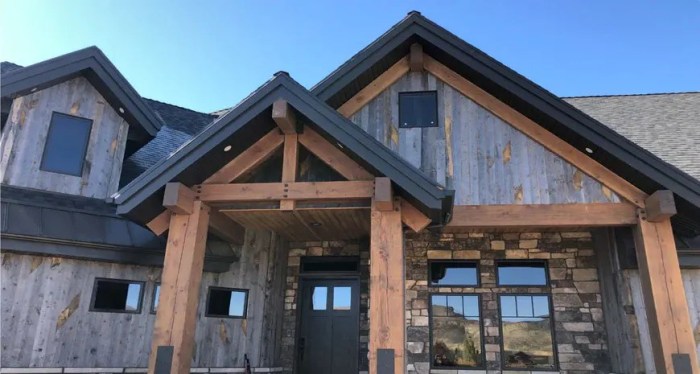
Exterior reclaimed wood siding refers to using recycled or salvaged wood from old buildings, barns, or other structures to create a unique and sustainable exterior cladding for homes or buildings. This eco-friendly practice involves repurposing wood that would otherwise be discarded, giving it a new life and adding character to the exterior of a property.
Benefits of Using Reclaimed Wood for Exterior Siding
When it comes to using reclaimed wood for exterior siding, there are several benefits to consider:
- Unique Aesthetic: Reclaimed wood offers a distinct look with its weathered appearance and natural patina, adding charm and character to any building.
- Durability: Despite being weathered, reclaimed wood is often stronger and more durable than new wood due to its age and density.
- Sustainability: By using reclaimed wood, you are contributing to the preservation of forests and reducing the demand for new timber, making it an environmentally friendly choice.
- History and Story: Each piece of reclaimed wood carries a history and narrative from its previous use, adding a sense of uniqueness and authenticity to the building.
Environmental Impact of Using Reclaimed Wood
Utilizing reclaimed wood for exterior siding has a positive environmental impact:
- Reduces Deforestation: By reusing existing wood, the demand for new timber is decreased, helping to conserve forests and biodiversity.
- Less Waste: Repurposing old wood prevents it from ending up in landfills, reducing the amount of waste and pollution in the environment.
- Carbon Footprint: Reclaimed wood has a lower carbon footprint compared to new wood, as it does not require the energy-intensive process of cutting, transporting, and processing new timber.
Types of Reclaimed Wood for Siding
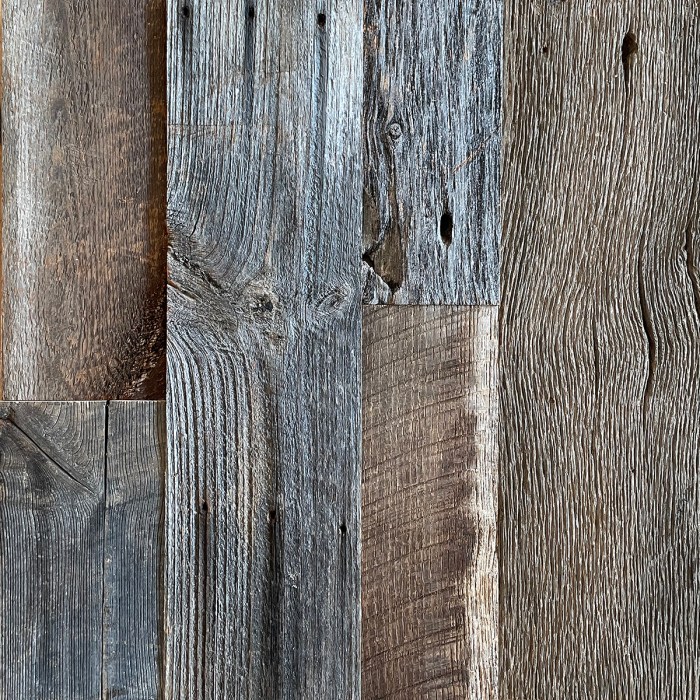
When it comes to exterior reclaimed wood siding, there are several types of wood commonly used. Each type has its own unique characteristics, durability, and maintenance requirements.
Barn Wood
Barn wood is a popular choice for reclaimed wood siding due to its rustic and weathered appearance. It often comes from old barns or other agricultural structures, giving it a rich history and unique charm. Barn wood is known for its durability and resistance to rot, making it a great option for outdoor siding.
However, it may require regular maintenance to preserve its natural beauty.
Pallet Wood
Pallet wood is another commonly used material for reclaimed wood siding. It is often sourced from discarded shipping pallets, offering a more modern and industrial look. Pallet wood can vary in quality and may require more maintenance than other types of reclaimed wood.
It is important to properly treat and seal pallet wood to protect it from the elements and prolong its lifespan.
Salvaged Wood
Salvaged wood encompasses a wide range of reclaimed wood sources, including old furniture, flooring, and other structures. This type of reclaimed wood can offer a unique variety of colors and textures, adding character to exterior siding. Salvaged wood may require more careful inspection and treatment to ensure it is free of pests or rot.
Proper maintenance is essential to preserve the integrity of salvaged wood siding.
Reclaimed Cedar
Cedar is a popular choice for exterior siding due to its natural resistance to decay and insects. Reclaimed cedar offers the same benefits, along with a beautiful grain pattern and aromatic scent. It is important to properly maintain reclaimed cedar siding to prevent weathering and discoloration over time.
Installation of Exterior Reclaimed Wood Siding
Installing reclaimed wood siding on an exterior surface can add a unique and rustic charm to your home. Follow this step-by-step guide to ensure a successful installation.
Gather the Necessary Tools and Materials
- Reclaimed wood siding
- Hammer or nail gun
- Nails or screws
- Tape measure
- Level
- Saw
- Caulk and caulking gun
- Protective gear (gloves, goggles)
Prepare the Surface
Before installing the reclaimed wood siding, make sure the exterior surface is clean, dry, and free of any debris. Repair any damaged areas and ensure the surface is smooth and level.
Install the Reclaimed Wood Siding
- Start at the bottom of the wall and work your way up.
- Place the first piece of siding at the corner of the wall, making sure it is level.
- Secure the siding in place using nails or screws, ensuring they are driven into the wall studs.
- Overlap each piece of siding slightly to create a tight seal and prevent water infiltration.
- Cut the siding to fit around windows, doors, and other obstacles using a saw.
- Continue installing the siding row by row until the entire wall is covered.
Finishing Touches
After the siding is installed, use caulk to seal any gaps between the siding pieces and around windows and doors. This will help prevent moisture from seeping behind the siding and causing damage.
Design Ideas and Finishes
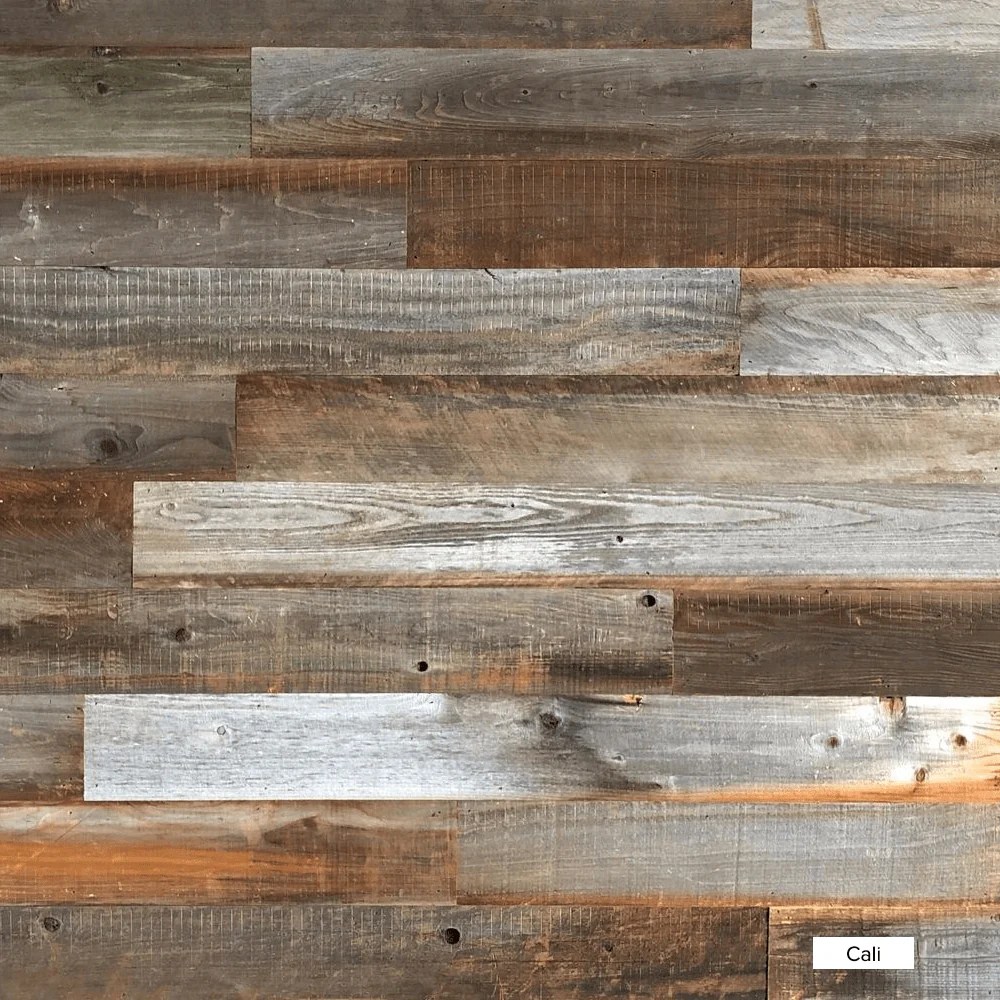
When it comes to incorporating reclaimed wood siding into different architectural styles, the possibilities are endless. From rustic cabins to modern industrial buildings, reclaimed wood can add character and warmth to any exterior. Popular finishes and treatments help enhance the natural beauty of the wood while protecting it from the elements.
Proper maintenance is key to preserving the aesthetic appeal of reclaimed wood siding over time.
Creative Design Ideas
- Mix and match: Combine different types of reclaimed wood for a unique look
- Vertical or horizontal installation: Experiment with the orientation of the siding for different effects
- Accent walls: Use reclaimed wood siding on one wall to create a focal point
- Trim details: Incorporate reclaimed wood into trim details for added interest
Popular Finishes and Treatments
- Weathered finish: Enhance the natural patina of the wood for a rustic look
- Stain or sealant: Protect the wood from moisture and UV damage
- Charred finish: Create a modern, sleek look by charring the wood surface
- Whitewash or paint: Add a pop of color while still allowing the wood grain to show through
Maintaining Aesthetic Appeal
- Regular cleaning: Remove dirt, debris, and mold to prevent damage
- Inspect for damage: Check for cracks, rot, or insect infestation and address promptly
- Reapply finishes: Touch up or reapply finishes as needed to protect the wood
- Protect from the elements: Consider overhangs or other measures to shield the siding from excessive sun or rain exposure
Conclusion
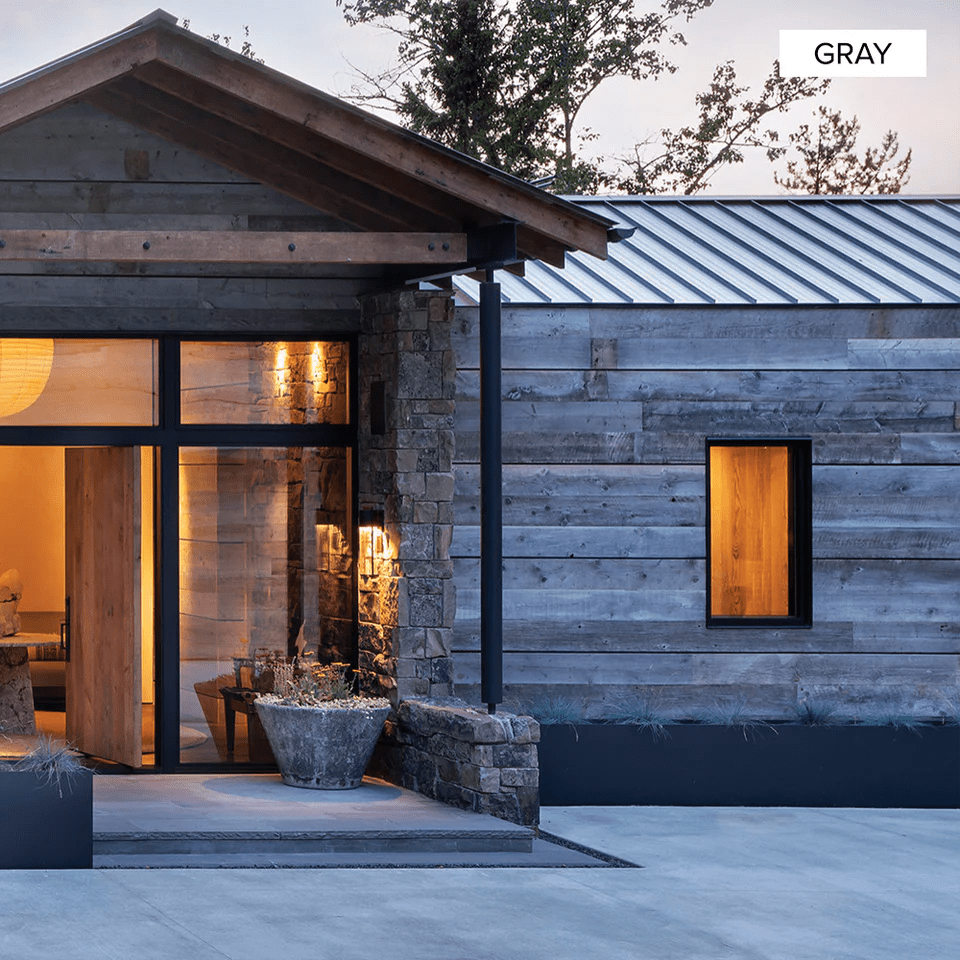
As we conclude our journey through the realm of exterior reclaimed wood siding, one thing remains clear - the allure of history, sustainability, and creativity intertwine seamlessly in every plank, serving as a testament to the enduring legacy of this remarkable architectural choice.
Embrace the warmth of reclaimed wood siding and watch as your exterior transforms into a living testament of timeless beauty and eco-conscious design.
Essential Questionnaire
What are the main benefits of using reclaimed wood for exterior siding?
Reclaimed wood provides a unique character, is environmentally friendly, and often more durable than new wood due to its age and seasoning.
How do I maintain the aesthetic appeal of reclaimed wood siding over time?
Regular cleaning, resealing, and periodic inspections for any damage or wear are key to preserving the beauty of reclaimed wood siding.
Are there specific finishes recommended for exterior reclaimed wood siding?
Popular finishes include natural oils, stains, and sealants that enhance the wood's natural beauty while providing protection against the elements.