
Delving into the world of brick and siding exteriors, this introduction aims to captivate readers with a detailed yet engaging overview of the unique combination of materials that can enhance the appeal and functionality of a home.
As we uncover the benefits, types, installation process, and maintenance of brick and siding exteriors, readers will gain valuable insights into how these elements can transform a house into a stunning masterpiece.
Benefits of Brick and Siding Exterior
Brick and siding exteriors offer a multitude of benefits ranging from durability to energy efficiency. Let's explore how this combination can enhance the aesthetics and functionality of a home.
Durability of Brick and Siding Exteriors
Brick and siding are both known for their durability and longevity. Brick is resistant to fire, pests, and harsh weather conditions, while siding provides protection against impact and moisture. By combining these two materials, homeowners can enjoy a sturdy and low-maintenance exterior that can withstand the test of time.
Aesthetic Appeal of Combining Brick and Siding
One of the major advantages of using brick and siding together is the aesthetic appeal it creates. The contrast between the textured brick and smooth siding can add visual interest and dimension to the exterior of a home. This combination allows for endless design possibilities, allowing homeowners to achieve a unique and personalized look for their property.
Energy Efficiency in a Home
Brick and siding exteriors can also contribute to increased energy efficiency in a home. Brick has natural insulating properties that help regulate indoor temperatures, reducing the need for heating and cooling systems. Siding can further enhance energy efficiency by providing an additional layer of insulation.
By choosing brick and siding for the exterior of their home, homeowners can lower their energy bills and reduce their carbon footprint.
Types of Brick and Siding Materials
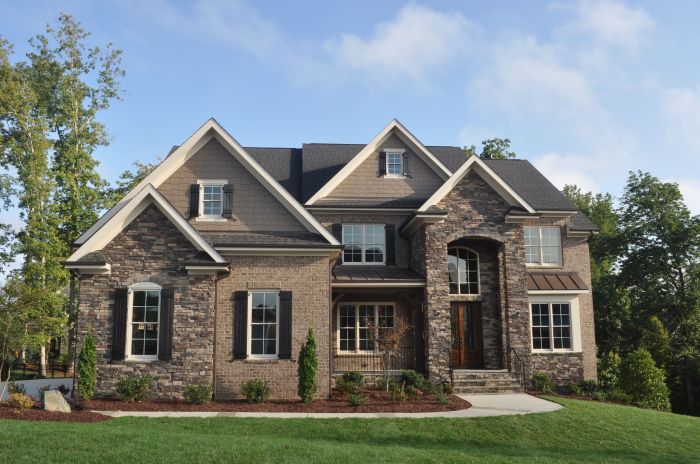
Brick and siding materials are crucial components of the exterior of a building, providing both aesthetic appeal and protection. Let's explore the common types of bricks used for exteriors and compare various siding materials like vinyl, wood, and fiber cement.
Types of Bricks for Exteriors
Bricks are a popular choice for exterior cladding due to their durability and timeless appeal. Common types of bricks used for exteriors include:
- Clay Bricks: Traditional and versatile, clay bricks offer a classic look and excellent durability.
- Concrete Bricks: Sturdy and low-maintenance, concrete bricks come in various colors and textures.
- Fire Bricks: Designed to withstand high temperatures, fire bricks are ideal for fireplaces and chimneys.
- Engineering Bricks: Known for their strength and water resistance, engineering bricks are suitable for harsh weather conditions.
Comparison of Siding Materials
When it comes to siding materials, there are several options to choose from, each with its own set of pros and cons in terms of maintenance and longevity. Let's compare vinyl, wood, and fiber cement siding:
- Vinyl Siding:
- Pros: Low maintenance, affordable, and available in a wide range of colors.
- Cons: Prone to cracking and fading over time, may not be as durable as other materials.
- Wood Siding:
- Pros: Natural beauty, environmentally friendly, can be painted or stained for a customized look.
- Cons: Requires regular maintenance, susceptible to rot, pests, and moisture damage.
- Fiber Cement Siding:
- Pros: Durable, fire-resistant, low maintenance, and available in various textures resembling wood or stucco.
- Cons: Higher initial cost, may require professional installation, heavy and challenging to handle.
Installation Process
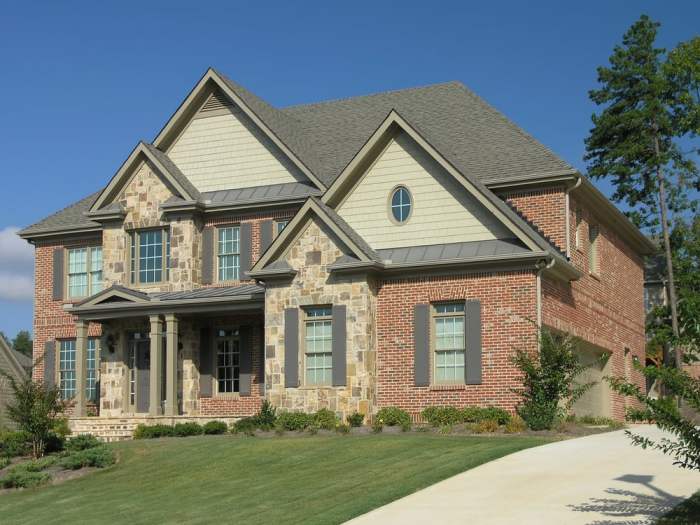
When it comes to installing a brick and siding exterior, there are specific steps involved in ensuring a successful and durable outcome. Let's take a closer look at the installation process for both brick and siding materials.
Installing Brick Exterior
- Prepare the Surface: The first step involves preparing the surface where the brick will be installed. This includes ensuring the foundation is solid and level.
- Lay the Brick: Next, the bricks are carefully laid in the desired pattern using mortar to hold them in place. It's crucial to pay attention to detail to ensure a clean and uniform finish.
- Grout Joints: Once the bricks are laid, the grout joints are filled to provide additional stability and prevent moisture penetration.
- Sealant Application: Finally, a sealant is applied to protect the brick from water damage and enhance its longevity.
Installing Siding on a House
- Prepare the Exterior: Before installing siding, the exterior of the house must be cleaned and any repairs or replacements of damaged areas should be completed.
- Measure and Cut: Siding panels are measured and cut to fit the specific dimensions of the house, ensuring a precise and seamless installation.
- Attach the Siding: The siding panels are then attached to the exterior of the house using nails or screws, following the manufacturer's guidelines for proper installation.
- Finish Touches: Once all the siding panels are in place, finishing touches such as corner pieces and trim are added to complete the look.
Combining Brick and Siding
- Integration: When combining brick and siding, it's essential to seamlessly integrate both materials to achieve a cohesive look. This may involve using transition pieces or coordinating colors for a harmonious appearance.
- Weatherproofing: Special attention should be given to weatherproofing the junctions between the brick and siding to prevent water infiltration and ensure the durability of the exterior.
- Maintenance: It's crucial to understand the maintenance requirements of both brick and siding materials to properly care for the combined exterior and extend its lifespan.
Maintenance and Care
Maintaining a brick and siding exterior is essential to preserve its appearance and structural integrity. Regular upkeep can help prevent damage and prolong the life of these materials.
Maintenance Tasks for Brick Exterior
- Inspect the mortar joints for any cracks or deterioration, and repair as needed to prevent water infiltration.
- Clean the brick surface annually with a mixture of water and mild detergent to remove dirt, grime, and mildew.
- Seal the brick with a breathable sealer every few years to protect it from moisture and harsh weather conditions.
- Trim any vegetation growing near the brick exterior to prevent roots from causing damage.
Cleaning and Maintenance of Siding Materials
- Vinyl Siding:Clean with a mixture of water and mild detergent using a soft brush or cloth. Avoid using abrasive cleaners that can damage the surface.
- Fiber Cement Siding:Rinse with water and mild soap, then scrub gently with a soft brush to remove dirt and stains. Inspect for any chipping or peeling paint and touch up as needed.
- Wood Siding:Clean with a mixture of water and mild detergent, scrubbing gently to avoid damaging the wood. Apply a fresh coat of sealant or paint every few years to protect the wood from moisture and UV rays.
Tips for Prolonging the Life of Brick and Siding Exteriors
- Regularly inspect the exterior for signs of damage or wear, and address any issues promptly to prevent further deterioration.
- Keep gutters and downspouts clean to ensure proper drainage and prevent water from pooling near the foundation.
- Trim trees and bushes near the exterior to prevent branches from scratching or damaging the surfaces.
- Avoid using pressure washers on brick or siding materials, as high pressure can cause damage and lead to water infiltration.
Ending Remarks
In conclusion, brick and siding exteriors offer not just durability and energy efficiency, but also a timeless charm that can elevate any home's aesthetic appeal. By understanding the nuances of these materials and their maintenance, homeowners can ensure their exteriors remain beautiful and functional for years to come.
Questions Often Asked
What are the benefits of combining brick and siding exterior?
Combining brick and siding exteriors can enhance durability, aesthetic appeal, and energy efficiency in a home.
What are some common types of bricks used for exteriors?
Common types of bricks used for exteriors include clay bricks, concrete bricks, and engineering bricks.
How can I prolong the life of my brick and siding exteriors?
Regular maintenance tasks like cleaning, sealing, and inspecting for damage can help prolong the life of brick and siding exteriors.