
Delving into the realm of home siding options, we uncover the top choices available to homeowners, each with its own unique benefits and considerations. From durability to aesthetics, this guide will walk you through everything you need to know to make an informed decision for your home.
Types of Home Siding

When it comes to home siding options, there are several materials available in the market to choose from. Each type of siding has its own unique characteristics in terms of durability, maintenance requirements, and cost. Let's explore some of the most common options below.
Vinyl Siding
Vinyl siding is a popular choice for homeowners due to its affordability and low maintenance requirements. It is durable, resistant to rot and insect damage, and comes in a variety of colors and styles. Many modern homes opt for vinyl siding for its ease of installation and long-lasting performance.
Fiber Cement Siding
Fiber cement siding is known for its durability and resistance to fire, rot, and pests. It is a low-maintenance option that can mimic the look of wood or masonry. While fiber cement siding may be more expensive upfront, it is a long-term investment that can add value to your home.
Wood Siding
Wood siding offers a natural and timeless look to your home. It can be painted or stained in various colors to suit your aesthetic preferences. However, wood siding requires regular maintenance to prevent rot, mold, and insect infestations. Despite the maintenance needs, many homeowners appreciate the classic appeal of wood siding.
Brick Siding
Brick siding is a durable and low-maintenance option that adds a sense of elegance and sophistication to a home. While more costly upfront, brick siding is known for its longevity and ability to withstand harsh weather conditions. Many traditional and modern homes feature brick siding for its timeless charm.
Stone Veneer Siding
Stone veneer siding provides a luxurious and natural look to your home without the high cost of natural stone. It is lightweight, easy to install, and comes in a variety of styles and colors. Stone veneer siding can enhance the curb appeal of your home and create a striking visual impact.These are just a few of the many home siding options available in the market.
Consider your budget, maintenance preferences, and desired aesthetic when choosing the right siding material for your home.
Popular Siding Materials
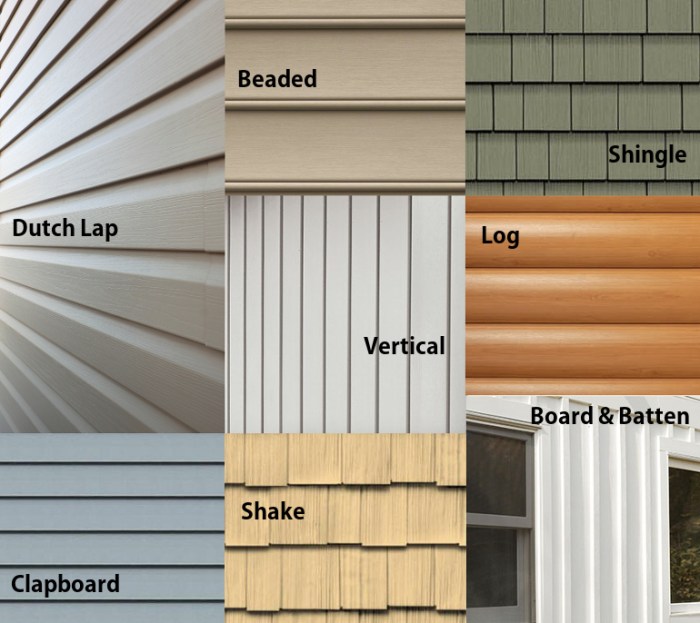
When it comes to home siding options, there are several popular materials to choose from. Each material has its own unique characteristics, pros and cons, and environmental impact. Let's compare and contrast some of the most commonly used siding materials: vinyl, wood, fiber cement, and metal.
Vinyl Siding
Vinyl siding is a popular choice for homeowners due to its affordability and low maintenance requirements. It comes in a wide range of colors and styles, making it versatile for different home designs. However, vinyl siding may not be as durable as other materials and can crack or fade over time.
From an environmental perspective, the production of vinyl siding can have negative impacts due to the use of PVC and other chemicals.
Wood Siding
Wood siding offers a natural and timeless look that many homeowners appreciate. It can be painted or stained to achieve the desired aesthetic and can last for decades with proper maintenance. However, wood siding requires regular upkeep, such as painting or sealing to prevent rot and insect damage.
From an environmental standpoint, wood siding is biodegradable and renewable, but harvesting trees can have an impact on forests if not done sustainably.
Fiber Cement Siding
Fiber cement siding is a durable and low-maintenance option that mimics the look of wood or masonry. It is resistant to rot, fire, and insects, making it a long-lasting choice for many homeowners. However, fiber cement siding can be more expensive than other materials and may require professional installation due to its weight.
In terms of environmental impact, fiber cement siding is made from natural materials like cement, sand, and cellulose fibers, but the manufacturing process can still have energy-intensive aspects.
Metal Siding
Metal siding, such as steel or aluminum, is known for its durability and resistance to elements like fire, water, and pests. It can also be lightweight and easy to install, making it a practical choice for many homeowners. However, metal siding may dent or scratch easily, affecting its appearance over time.
From an environmental perspective, metal siding is recyclable and can have a lower carbon footprint compared to other materials, especially if made from recycled metal.
Cost Considerations
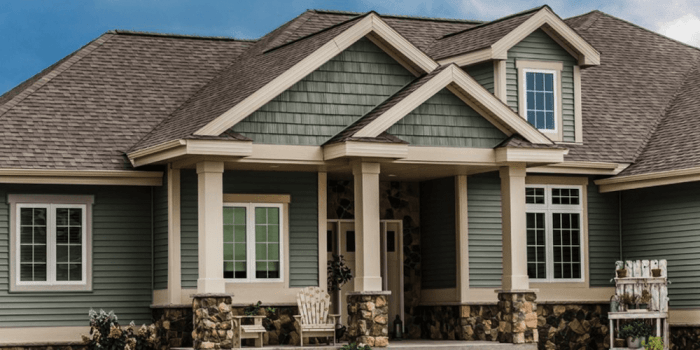
When it comes to choosing the right siding for your home, cost is a significant factor to consider
Factors Influencing Cost
- The type of siding material chosen can greatly impact the initial cost of installation. Materials like natural wood or fiber cement tend to be more expensive compared to vinyl or aluminum siding.
- Labor costs play a crucial role in the overall expense. More intricate siding designs or large homes may require additional labor, increasing the installation costs.
- Maintenance expenses should also be considered. Some siding materials require regular upkeep or painting, which can add to the long-term costs of maintaining your home's exterior.
Comparison of Siding Options
| Siding Material | Initial Cost | Maintenance Expenses | Lifespan |
|---|---|---|---|
| Vinyl | Low | Minimal | 20-30 years |
| Fiber Cement | Medium | Moderate | 30-50 years |
| Natural Wood | High | High | 20-30 years |
| Aluminum | Medium | Low | 30-50 years |
Resale Value Impact
Choosing a specific siding material can have a direct impact on the resale value of your home. High-quality and durable siding materials like fiber cement or brick can increase the overall value of your property. Potential buyers are often willing to pay more for homes with low-maintenance and aesthetically pleasing siding.
On the other hand, outdated or poorly maintained siding can decrease the resale value of your home, making it essential to invest in quality materials that enhance both the appearance and value of your property.
Installation Process
When it comes to installing home siding, a proper process is essential to ensure a durable and aesthetically pleasing result. Whether you choose to tackle the project yourself or hire a professional, understanding the steps involved can help you make an informed decision.
Preparing the Exterior
Before installing new siding, it's important to prepare the exterior of your home properly. This involves cleaning the surface, removing any existing siding, repairing any damaged areas, and ensuring that the walls are smooth and free of debris.
- Begin by washing the exterior of your home to remove dirt, grime, and any loose paint.
- If you have existing siding, carefully remove it, making sure not to damage the underlying structure.
- Inspect the walls for any signs of damage, such as rot or mold, and make any necessary repairs.
- Ensure that the walls are smooth and level, as this will affect the appearance of the new siding.
Installing the Siding
The actual installation of siding involves placing the material on the walls according to the manufacturer's instructions. This process can vary depending on the type of siding you choose, so it's important to follow the specific guidelines provided.
Tip: When installing siding, make sure to leave room for expansion and contraction to prevent warping or buckling over time.
- Start by installing the starter strip at the bottom of the wall, following the manufacturer's recommended placement.
- Continue by attaching the siding panels or pieces, making sure to overlap them correctly to create a seamless look.
- Cut the siding as needed to fit around windows, doors, and other obstacles, ensuring a precise and professional finish.
- Secure the siding in place according to the manufacturer's instructions, using nails, screws, or other recommended fasteners.
Finishing the Project
Once the siding is installed, the final steps involve finishing the project to ensure a polished appearance and long-lasting results.
- Inspect the siding for any gaps, loose pieces, or imperfections, and make any necessary adjustments.
- Apply any finishing touches, such as trim pieces, caulking, or paint, to enhance the overall look of the siding.
- Clean up the work area and dispose of any waste materials properly to complete the project.
DIY vs. Professional Installation
While some homeowners may choose to install siding themselves to save money, hiring a professional can ensure a high-quality result and avoid potential issues down the line. Consider factors such as your level of experience, the complexity of the project, and your available time and resources when deciding whether to tackle siding installation on your own or hire a professional.
Summary
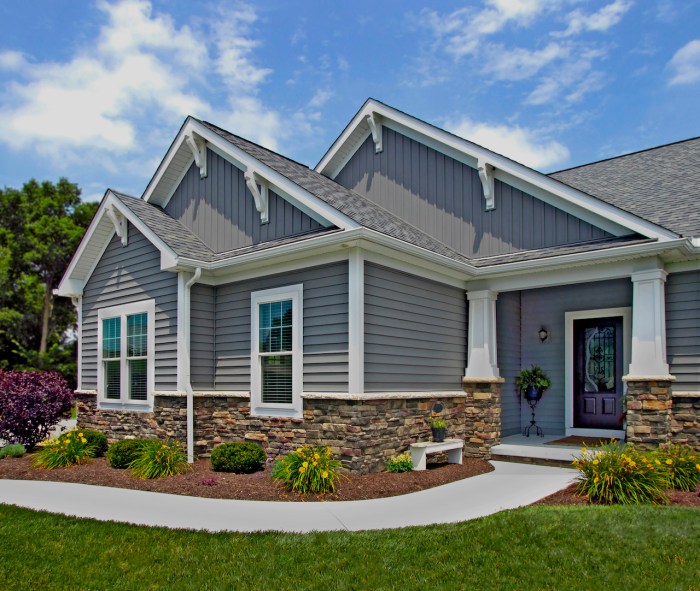
In conclusion, the world of home siding offers a myriad of options to enhance the look and functionality of your house. By weighing the pros and cons of each material and understanding the installation process, you can transform your home into a stunning masterpiece that stands the test of time.
Commonly Asked Questions
What are the most durable siding materials available?
Fiber cement and metal are known for their exceptional durability and longevity, making them popular choices for homeowners seeking long-lasting siding options.
How does the cost of vinyl siding compare to other materials?
Vinyl siding is often more affordable upfront compared to wood or fiber cement, but it may require more maintenance over time.
Is DIY siding installation recommended for beginners?
While DIY siding installation is possible with the right tools and knowledge, beginners may find it challenging. It's advisable to consult with professionals for complex projects.