
With bed design at the forefront, this paragraph opens a window to an amazing start and intrigue, inviting readers to embark on a storytelling journey filled with unexpected twists and insights. From the key elements that shape designs to the latest trends influencing the industry, this exploration promises to be both informative and captivating.
As we delve deeper into the realm of bed design, we uncover the intricate details that contribute to creating a sleep sanctuary that is not only aesthetically pleasing but also functional.
Bed Design Elements
When it comes to designing a bed, there are several key elements that play a crucial role in creating a cohesive and aesthetically pleasing look. These elements include the overall structure, materials used, and color schemes employed in the design.
Structure
The structure of a bed encompasses the frame, headboard, footboard, and any additional details such as decorative accents or built-in storage. The size and shape of these components can greatly impact the overall look and feel of the bed design.
Materials
The choice of materials in bed design is essential in determining the durability, comfort, and style of the bed. Common materials used in bed construction include wood, metal, upholstered fabric, and leather. Each material brings its unique characteristics and aesthetic appeal to the design.
Color Schemes
Color schemes play a vital role in setting the mood and defining the style of a bed design. Whether opting for a monochromatic, complementary, or contrasting color palette, the choice of colors can enhance the overall look of the bed and tie together the design elements.
Additionally, the color scheme can also influence the perception of space and create a cohesive look when paired with other furniture and decor in the room.
Types of Bed Designs
When it comes to bed designs, there are various types to choose from, each with its own unique features and characteristics. Let's explore some popular bed designs and delve into what sets them apart.
Platform Beds
Platform beds are known for their sleek and modern appearance. They typically have a low profile with a solid base to support the mattress, eliminating the need for a box spring. This design gives the bed a minimalist look and can often have built-in storage options underneath the platform.
Canopy Beds
Canopy beds are elegant and luxurious, featuring four posts with a frame connecting them at the top. This frame can be left bare or draped with fabric for a romantic and cozy feel. Canopy beds add a touch of sophistication to any bedroom and create a statement piece.
Bunk Beds
Bunk beds are a practical choice for shared bedrooms or rooms with limited space. They consist of two or more beds stacked on top of each other, utilizing vertical space efficiently. Bunk beds are a popular option for children's rooms and sleepovers, providing extra sleeping arrangements without taking up extra floor space.
Sleigh Beds
Sleigh beds are characterized by their curved or scrolled headboard and footboard, resembling a sleigh. This design adds a touch of elegance and sophistication to a bedroom, making a bold statement. Sleigh beds often have a classic and timeless appeal that works well in traditional or transitional bedroom decor.
Bed Frame Materials
When it comes to bed frame materials, there are several common options to choose from. Each material has its own set of pros and cons, impacting both the design and durability of the bed.
Wood
Wood is a popular choice for bed frames due to its timeless appeal and versatility. It can be crafted into various styles, from classic to modern designs. However, wood may be prone to scratches and dents over time, requiring regular maintenance to keep it looking its best.
Metal
Metal bed frames are known for their strength and durability
Upholstered Fabric
Upholstered fabric bed frames add a touch of luxury and comfort to any bedroom. They come in a wide range of colors and textures, allowing for customization to match any decor. However, fabric frames may require more care and cleaning to prevent stains and wear over time.
Other Materials
In addition to wood, metal, and upholstered fabric, bed frames can also be made from materials such as leather, bamboo, or even recycled materials. Each material choice can significantly impact the overall look and feel of the bed, as well as its longevity and maintenance requirements.
Trends in Bed Design
Bed design trends are constantly evolving to meet the changing needs and preferences of consumers. Let's take a closer look at some of the current trends shaping the world of bed design.
Integration of Technology
One of the most significant trends in bed design is the integration of technology. Modern beds are now equipped with features such as built-in speakers, USB charging ports, adjustable lighting, and even smart home connectivity. These technological advancements not only enhance the overall sleeping experience but also cater to the tech-savvy lifestyle of today's consumers.
Minimalistic Designs
Another popular trend in bed design is minimalism. Clean lines, simple shapes, and neutral colors dominate the aesthetic of modern beds. This minimalist approach not only creates a sense of calm and tranquility in the bedroom but also reflects a shift towards a more clutter-free and simplistic lifestyle.
Sustainability and Eco-Friendly Materials
With a growing emphasis on sustainability and environmental consciousness, bed designers are increasingly using eco-friendly materials in their creations. From reclaimed wood and bamboo to organic cotton and recycled metal, there is a rising demand for beds that are not only stylish but also environmentally responsible.
Influence of Cultural and Lifestyle Factors
Cultural and lifestyle factors play a significant role in shaping bed design trends. For example, in Asian cultures, the concept of Feng Shui heavily influences bed placement and design choices. Similarly, the rise of urban living has led to a demand for space-saving and multifunctional bed designs that cater to smaller living spaces.
Closing Summary
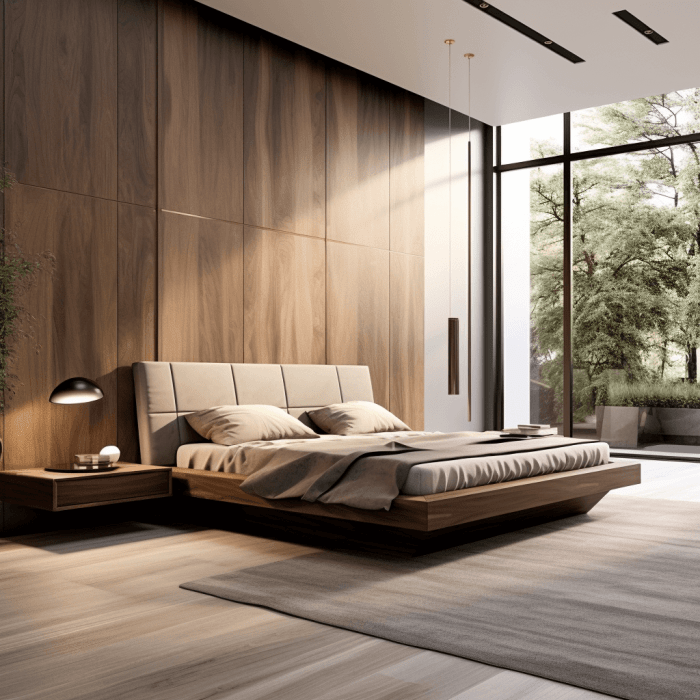
As we reach the end of this insightful journey into bed design, it's clear that the world of sleep furniture is constantly evolving. From traditional classics to cutting-edge innovations, the realm of bed design offers a plethora of options to suit every style and preference.
With a focus on quality materials, innovative designs, and personalized comfort, the future of bed design looks incredibly promising.
Helpful Answers
What are the key elements of bed design?
The key elements of bed design include the structure, materials used, color schemes, and overall aesthetics that contribute to the functionality and visual appeal of the bed.
What are some popular types of bed designs?
Popular types of bed designs include platform beds, canopy beds, bunk beds, sleigh beds, and storage beds, each offering unique features and styles to cater to different preferences.
How do materials impact the durability of a bed design?
The choice of materials such as wood, metal, or upholstered fabric can significantly impact the durability and longevity of a bed design. Factors like wear and tear, maintenance, and overall sturdiness are influenced by the materials used.
What are some current trends in bed design?
Current trends in bed design include minimalist styles, eco-friendly materials, smart technology integration, and customizable options to enhance comfort and functionality in modern bedrooms.