
As affinity designer takes center stage, this opening passage beckons readers with casual formal language style into a world crafted with good knowledge, ensuring a reading experience that is both absorbing and distinctly original.
Affinity Designer is a powerful design software that offers a wide range of features and capabilities to create stunning projects. From vector design to raster design, exporting files, and advanced techniques, Affinity Designer provides a versatile platform for designers of all levels.
Let's dive into the intricacies of this innovative tool.
Introduction to Affinity Designer
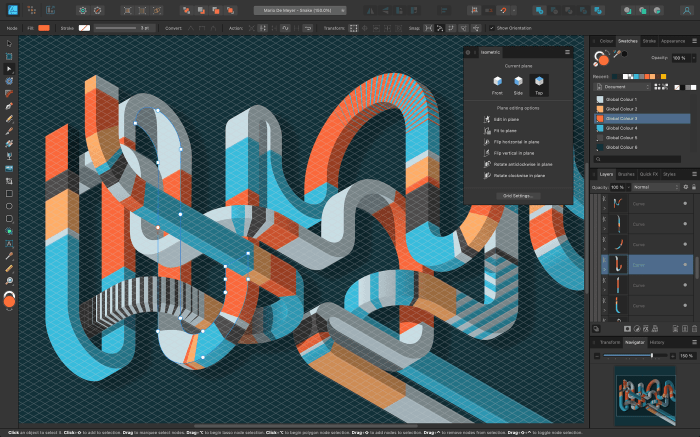
Affinity Designer is a powerful graphic design software that offers a wide range of features for creating stunning visuals. It is known for its versatility, speed, and precision, making it a popular choice among designers and illustrators.
Main Features of Affinity Designer
- Vector graphics editing
- Pixel-based design tools
- Advanced color and typography options
- Non-destructive editing
- Support for multiple artboards
Projects You Can Create with Affinity Designer
- Logo designs
- Illustrations and vector artwork
- Web graphics
- Print materials such as flyers and posters
- User interface and app design
Benefits of Using Affinity Designer
- One-time purchase without subscription fees
- Smooth performance even with complex designs
- Seamless integration with other Affinity software like Affinity Photo and Affinity Publisher
- Regular updates and improvements based on user feedback
User Interface and Tools
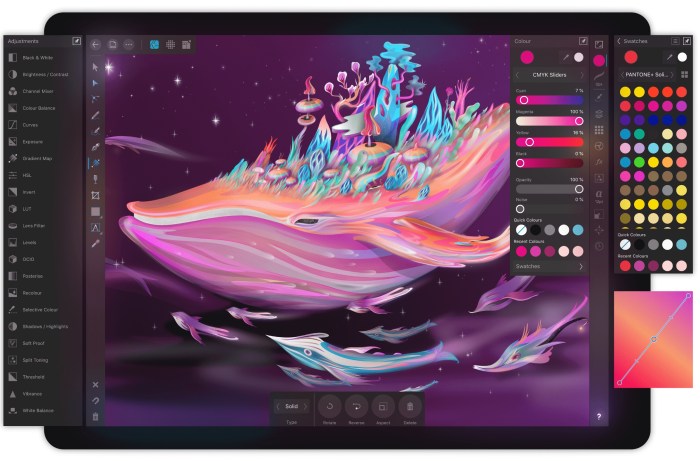
Affinity Designer boasts a sleek and intuitive user interface that caters to both beginners and experienced designers. The workspace is customizable, allowing users to arrange panels and tools according to their preferences, enhancing productivity and workflow efficiency.
Key Tools in Affinity Designer
Affinity Designer offers a robust set of tools that empower designers to create stunning graphics and illustrations. Some of the key tools include:
- Pen Tool: Allows for precise vector drawing and editing, essential for creating intricate designs.
- Node Tool: Enables manipulation of anchor points and paths, providing detailed control over shapes and lines.
- Pixel Persona: Seamlessly switches to raster editing mode for working on pixel-based projects like photo retouching.
- Artboards: Facilitates the creation of multiple artboards within a single document, ideal for designing various layouts or versions.
- Export Persona: Simplifies the export process by offering options for slicing, optimizing, and exporting assets for web or print.
Comparison with Adobe Illustrator
When comparing the toolset of Affinity Designer with Adobe Illustrator, users will find many similarities in terms of basic functionalities. However, Affinity Designer distinguishes itself with a more modern and streamlined interface, offering a smoother user experience. Additionally, Affinity Designer is available for a one-time purchase without the need for a subscription, making it a cost-effective alternative to Adobe Illustrator for many designers.
Vector Design Capabilities
Vector design capabilities in Affinity Designer allow users to create precise and scalable graphics that maintain quality regardless of size adjustments. Vectors are mathematical paths composed of points, lines, and curves, making them ideal for creating logos, illustrations, typography, and more.
Examples of Vector Use in Design Projects
- Creating a logo: Vectors ensure a logo retains clarity and sharpness when resized for different applications.
- Designing illustrations: Vector tools enable the creation of complex and detailed illustrations with smooth lines and shapes.
- Typography design: Vectors are crucial for designing custom fonts or manipulating text in unique ways.
Advantages of Working with Vectors
- Scalability: Vectors can be scaled infinitely without losing quality, making them versatile for various design needs.
- Precision: Vector tools allow for accurate positioning and alignment of elements within a design.
- Editability: Vectors are easily editable, allowing designers to make changes to shapes, colors, and sizes without loss of quality.
- File Size: Vector graphics typically have smaller file sizes compared to raster images, making them easier to work with and share.
Raster Design Features
Raster design features in Affinity Designer allow users to work with pixel-based images, providing tools and functionalities typically found in raster graphics software. These features enable designers to create detailed and realistic artwork, manipulate photographs, and achieve various visual effects.
Comparison with Other Design Software
- Affinity Designer offers a comprehensive set of raster design tools comparable to industry-standard software like Adobe Photoshop. Users can perform tasks such as image editing, retouching, and digital painting with ease.
- Unlike some design software that separate vector and raster capabilities into different programs, Affinity Designer integrates both seamlessly within a single application, allowing users to combine vector precision with raster textures and effects in the same design project.
- The performance of Affinity Designer in handling raster design tasks is efficient and powerful, providing professional-grade results without the need to switch between multiple software applications.
Seamless Integration of Raster and Vector Elements
In Affinity Designer, integrating raster and vector elements is straightforward and intuitive. Users can import raster images directly into their vector projects, where they can be edited, transformed, and combined with vector shapes and objects. This integration allows designers to leverage the strengths of both raster and vector graphics, enabling them to create complex and visually appealing compositions.When working on a design project in Affinity Designer, users can freely move between vector and raster workflows, adjusting elements as needed to achieve the desired outcome.
Whether it's adding textures to illustrations, blending photographs with vector graphics, or creating intricate digital artwork, the seamless integration of raster and vector elements in Affinity Designer offers flexibility and creative possibilities to designers of all levels.
Exporting and File Formats
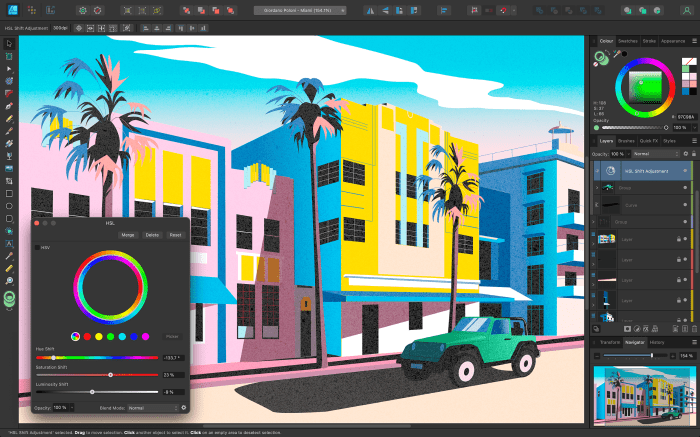
When it comes to exporting projects in Affinity Designer, you have several options to choose from. Whether you need to save your design for printing or web use, Affinity Designer provides a range of export settings to suit your needs.
Export Options
Here are the key export options available in Affinity Designer:
- Export Persona: Allows you to access advanced export settings for precise control over the output of your design.
- Export Presets: Offers predefined settings for common export requirements, such as JPEG, PNG, PDF, and more.
- Slice Tool: Enables you to create slices of your design for exporting specific sections or elements.
Supported File Formats
Affinity Designer supports a wide range of file formats for exporting designs. Some of the supported formats include:
- PNG: Ideal for web use and transparency support.
- JPEG: Suitable for high-quality images with small file sizes.
- PDF: Great for print-ready files with vector graphics and text preservation.
- SVG: Perfect for scalable vector graphics for web and digital use.
- EPS: Commonly used for print and design workflows with vector compatibility.
Optimizing Exported Files
Here are some tips for optimizing exported files based on the intended use:
- For Print: Export designs in PDF format with high resolution (300 DPI) for optimal print quality.
- For Web: Choose PNG or JPEG formats with appropriate compression settings to balance image quality and file size.
- For Scalability: Export vector designs in SVG format to maintain crisp edges and scalability across different screen sizes.
- For Collaboration: Consider using PDF or EPS formats for compatibility with other design software and printing services.
Affinity Designer for Web and UI/UX Design
Affinity Designer is a versatile tool that can be effectively used for web design and UI/UX projects. Its powerful features and intuitive interface make it a popular choice among designers looking to create stunning designs for websites and user interfaces.
Creating UI/UX Elements
- Buttons: Easily design custom buttons with various shapes, sizes, and styles to enhance user interaction.
- Icons: Create intricate icons and illustrations to add visual appeal to your UI elements.
- Wireframes: Develop detailed wireframes to plan out the layout and structure of your web pages.
- Prototypes: Design interactive prototypes to test user flow and functionality before final implementation.
Designing Responsive Web Layouts
- Grid Systems: Utilize grids to create responsive layouts that adapt to different screen sizes and devices.
- Artboards: Set up multiple artboards for various breakpoints to design for desktop, tablet, and mobile views.
- Responsive Design Tools: Use features like constraints and pinning to ensure elements scale and reposition correctly across different screen sizes.
- Export Options: Easily export assets in different formats for developers to implement responsive designs seamlessly.
Advanced Features and Techniques

As you delve deeper into Affinity Designer, you will encounter a range of advanced features that can enhance your design workflow and efficiency. These tools and techniques can help you take your designs to the next level and work more effectively within the software.
Symbols
Symbols in Affinity Designer allow you to create reusable elements that can be easily updated across multiple artboards or designs. This can be particularly useful for creating consistent design elements such as buttons, icons, or logos. By using symbols, you can make global changes to all instances of that element, saving you time and effort.
Constraints
Constraints are a powerful feature in Affinity Designer that allow you to define how objects behave when resizing or repositioning. By setting constraints on elements within your design, you can ensure that they maintain their proportions or alignment when the canvas is adjusted.
This can be especially helpful when designing responsive interfaces for web or mobile.
Artboards
Artboards are a fundamental part of organizing your designs in Affinity Designer. They allow you to work on multiple design iterations within the same document and easily export them as separate files. By utilizing artboards effectively, you can streamline your design process and keep related elements together in a structured manner.
Last Point
In conclusion, Affinity Designer stands out as a robust design software with a plethora of tools and features that cater to the needs of designers across various industries. Whether you are a beginner or an experienced professional, Affinity Designer offers a user-friendly interface and powerful capabilities to bring your creative visions to life.
Explore the endless possibilities with Affinity Designer and elevate your design projects to new heights.
FAQ Insights
What are the main features of Affinity Designer?
Affinity Designer offers a range of features including vector design capabilities, raster design features, advanced tools like symbols and artboards, and support for various file formats.
How does Affinity Designer compare to other design software like Adobe Illustrator?
Affinity Designer provides a more affordable alternative to Adobe Illustrator with a similar set of features and capabilities, making it a great choice for designers looking for a powerful yet cost-effective design tool.
Can Affinity Designer be used for web and UI/UX design projects?
Affinity Designer is versatile and can be effectively used for web design and UI/UX projects, offering tools to create responsive web layouts and UI elements with ease.
What are some tips for optimizing exported files in Affinity Designer?
When exporting files from Affinity Designer, it's important to consider the intended purpose (print or web) and optimize the file format and settings accordingly for the best results.